
Sentences are becoming harsher and the Swedish prison system is expanding at record speed, but what is life like on the inside? American artist and activist Jesse Krimes, Petronella Petander and Isaac Grünewald meet Magnus Bärtås and six anonymous inmates from Kalmar Prison in a group exhibition about crime, punishment and imprisonment.
At present, one of Sweden’s largest prisons is being expanded in Halltorp outside Kalmar. This forms part of the most extensive prison expansion in the country’s history, increasing capacity from today’s 9,000 places to 29,000 within ten years. The need to incarcerate people is growing, yet in public debate about crime and punishment the perspectives of inmates are often absent. How do they experience life in prison? How do they view their lives and their future?
The group exhibition Det sista straffet [The final punishment] brings together Swedish and international artists with personal experience of deprivation of liberty. The exhibition’s central work is based on Kalmar konstmuseum’s co-creative art project Från anstalten till museet [From prison to the museum], in which artist Magnus Bärtås worked together with inmates from Kalmar Prison.
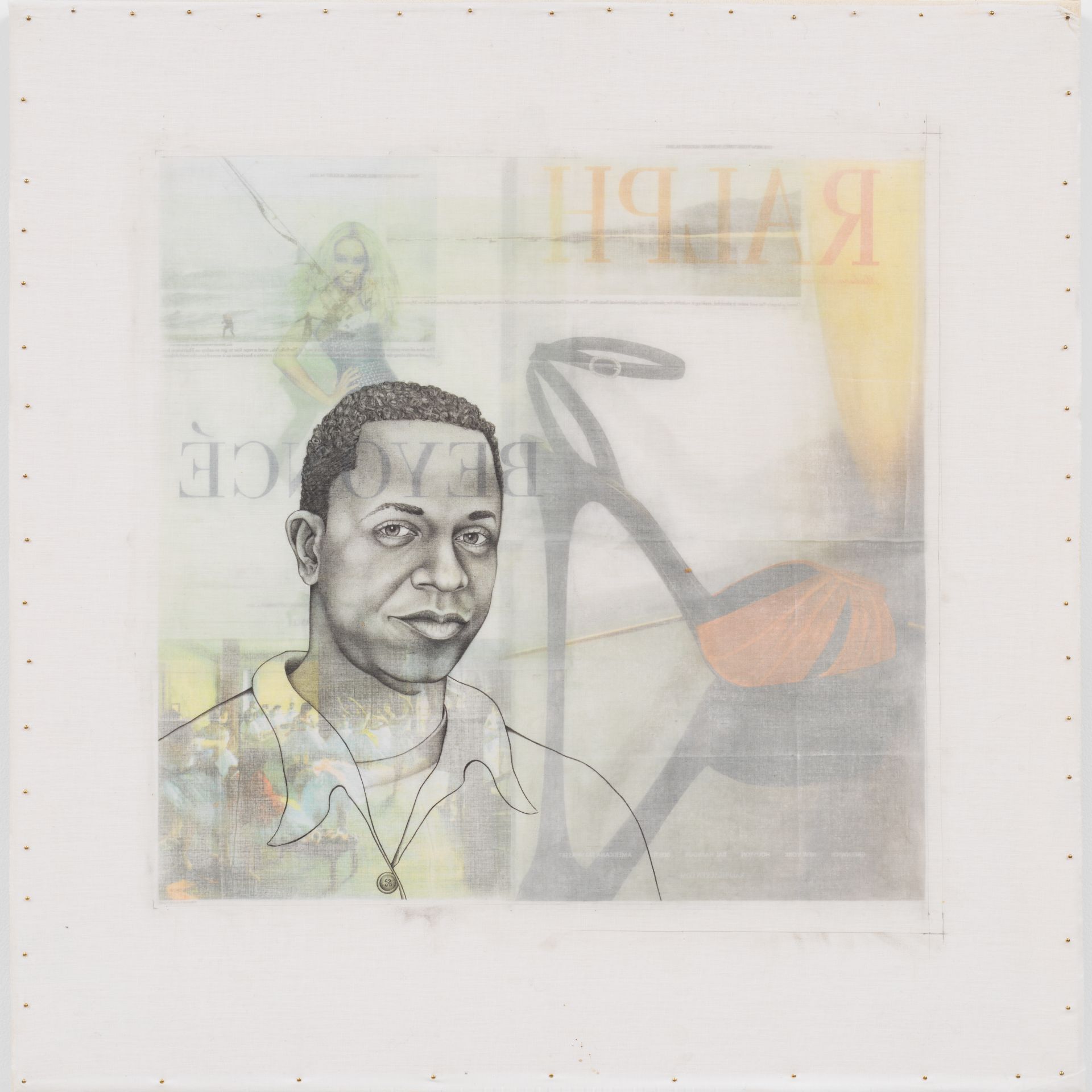
Prison portrait I, 2012
© Jesse Krimes. Courtesy of the artist and Jack Shainman Gallery, New York.
Jesse Krimes is an internationally recognised American artist who, drawing on his own experience of incarceration, explores how society and the justice system create power and control. Shortly after graduating from art school in Millersville, Krimes was arrested for drug possession. During a six-year prison sentence he produced and smuggled out several extensive series of works, created from bedsheets, soap and other everyday materials available in prison. These works combine references to art history with contemporary experiences of surveillance, isolation and the exercise of power. In Det sista straffet, eleven works produced during his time in prison are shown.
Krimes’s work has been exhibited, among other venues, in a critically acclaimed solo exhibition at the Metropolitan Museum of Art in New York and at the Palais de Tokyo in Paris. Through Det sista straffet, Krimes’s artistic practice is introduced to a Nordic audience. In connection with the exhibition, Krimes will also give a lecture on his art and his work as an advocate for artists with experience of the justice system.
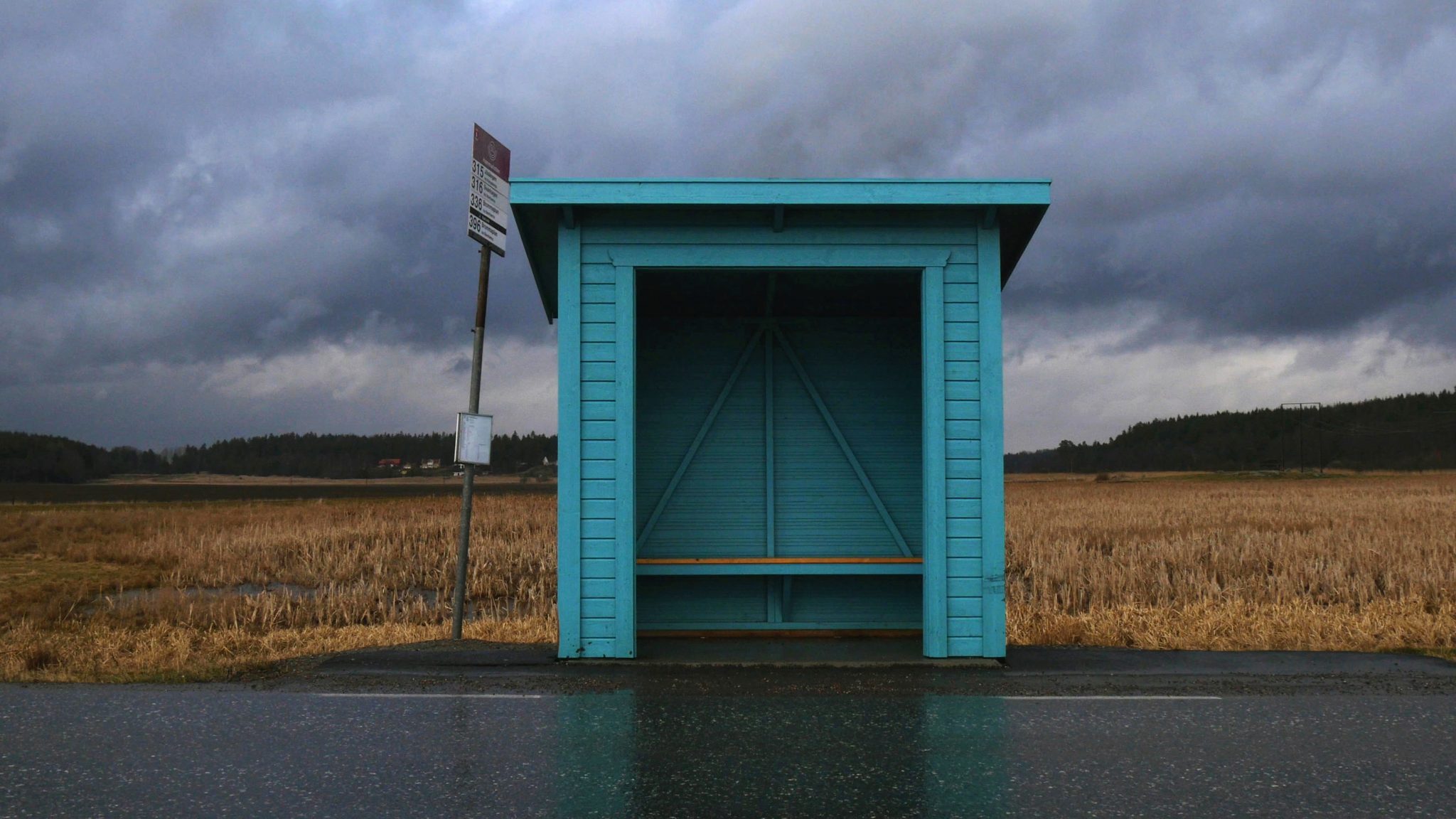
Still from The Time, 2018
Petronella Petander
Petronella Petander (b. 1977, Stockholm) works experimentally with narrative across different media, often drawing on her own experiences. She is educated at Konstfack in Stockholm and has exhibited, among other places, at Moderna museet and Thielska galleriet. In 2022 her film The Haven was shown at Kalmar konstmuseum as part of the exhibition Art on Screen.
In Det sista straffet, her work The Time is presented. Through poetic film imagery and incisive observations, the work depicts everyday life in a women’s correctional facility. It describes how time is regulated, divided and experienced in an isolated place characterised by meticulous surveillance and control.
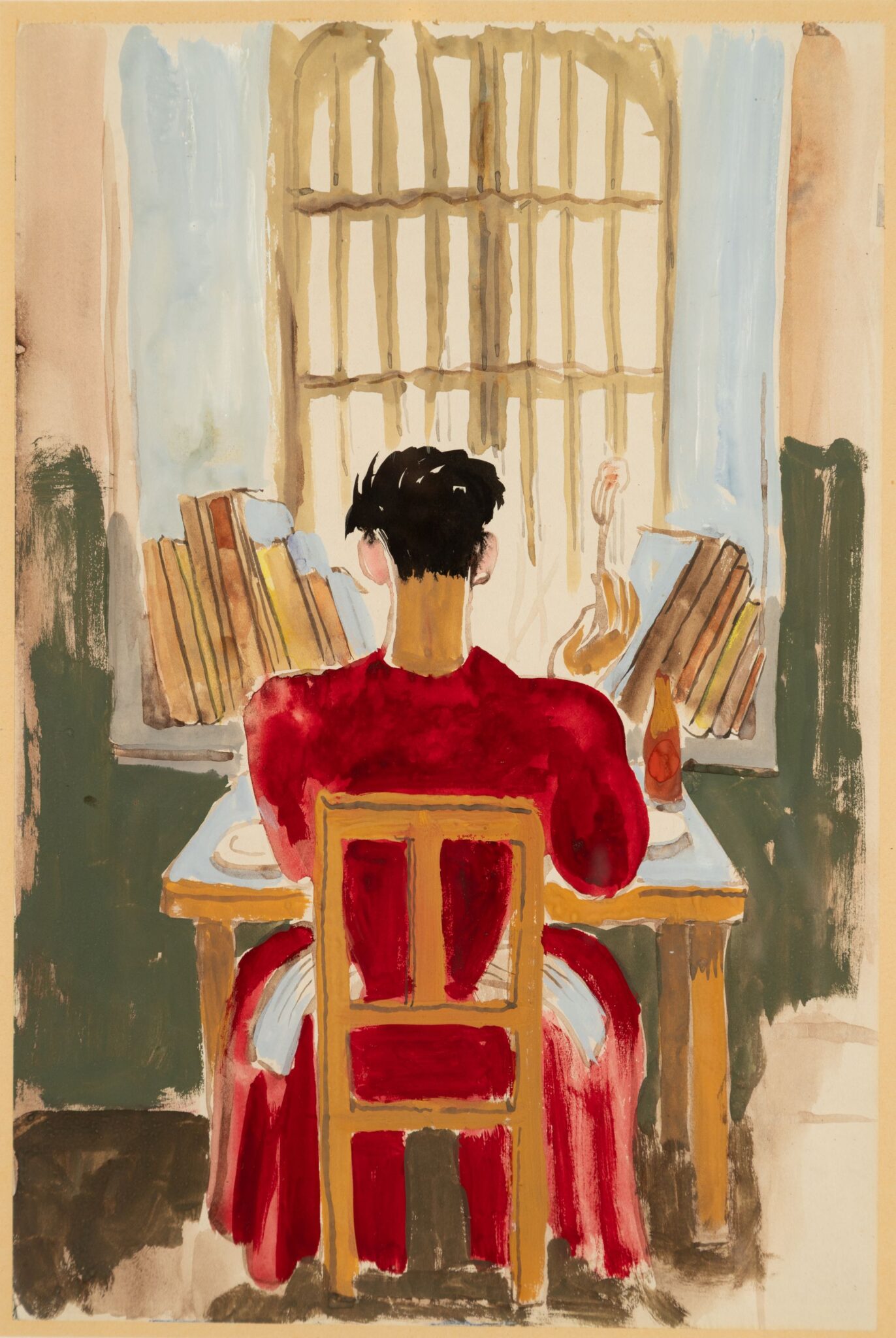
Fången mot fönstret [The prisoner by the window], 1926
Isaac Grünewald
Isaac Grünewald (1889–1946) was one of the pioneers of modernism in Swedish art history, admired for his expressive use of colour and psychological sensitivity. In Det sista straffet [The final punishment], a selection of works from the Långholmen Suite is presented.
Following a party at the jubilee exhibition in Gothenburg in 1923, Isaac Grünewald became involved in an altercation at Bohus railway station, where he struck a conductor who had acted violently towards his wife, the artist Sigrid Hjertén. In the Court of Appeal and the Supreme Court, he was sentenced to one month’s imprisonment for assaulting an officer, disorderly conduct and drunkenness. The sentence was served at Långholmen Prison. There he was a privileged inmate, permitted to bring paints, an easel and his bright red dressing gown.
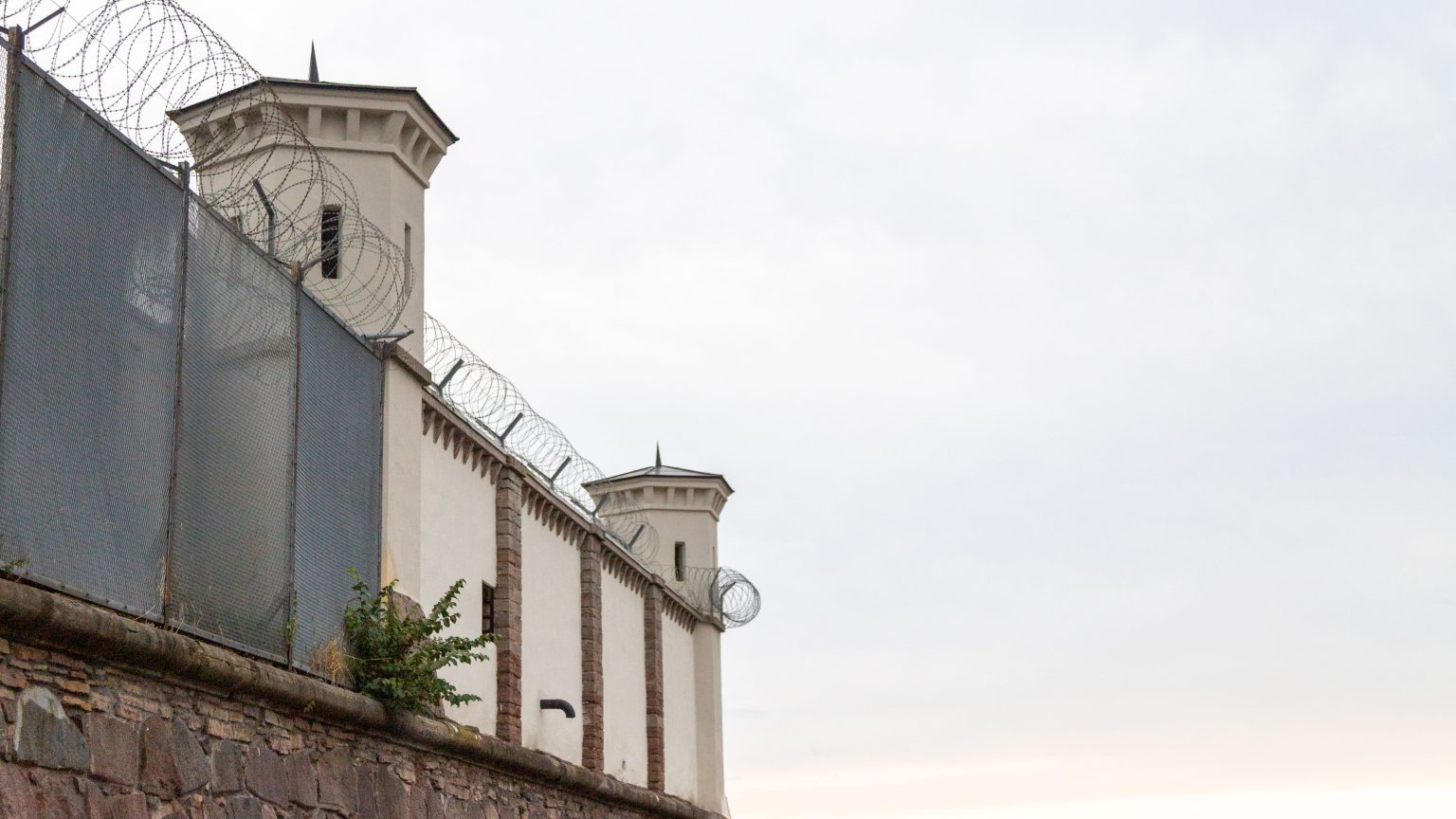
Kalmar Prison was established in 1852 and is today the oldest prison in Sweden still in use.
The exhibition’s central work, A Tower Taller Than Myself, consists of a number of mottled, white-painted towers that together form a city charged with a sense of fate. The work was created in autumn 2025 as part of the co-creative art project Från anstalten till museet, in which six inmates at Kalmar Prison, under the guidance of Magnus Bärtås, contributed artistic perspectives on their lives.
Magnus Bärtås (b. 1962, Jönköping) is an artist, author, filmmaker and Professor of Fine Art at Konstfack. He primarily works with text, video and installation. He has held several solo exhibitions, including at Göteborgs konsthall, and has also participated in several exhibitions at Kalmar konstmuseum. The short film On Hospitality, which he made together with Behzad Khosravi Noori for the Designarkivet exhibition Här omkring, was nominated for a Guldbagge Award for Best Short Film in 2024.
The project Från anstalten till museet is carried out by Kalmar konstmuseum in collaboration with the Swedish Prison and Probation Service in Kalmar and has been made possible with support from Svenska Postkodlotteriets Stiftelse.